



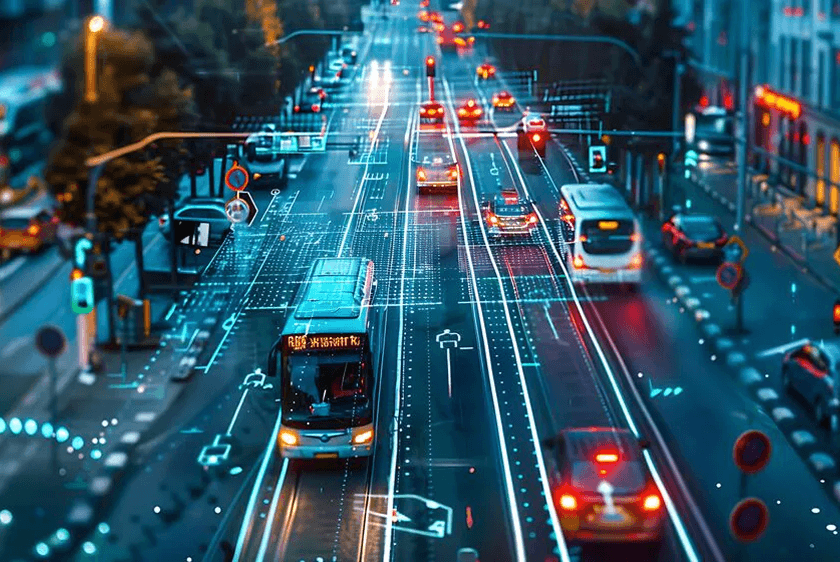
In today’s rapidly evolving urban environments, measuring how well traffic signals perform isn’t just about counting how many cars go through an intersection—it’s about understanding real behavior on the road and using that insight to make streets safer and more efficient.
Blue-Band’s platform modernizes traditional signal performance measures by embedding them into a wider edge computing ecosystem. Their Integrator-AI™ acts as a central engine, continuously gathering and synthesizing data from sensors, connected devices, and legacy infrastructure to give traffic engineers a clearer picture of what’s really happening at intersections. What once were static statistics are now dynamic, actionable insights that can drive real-time interventions and long-term improvements.
Instead of relying on manual counts or isolated snapshots in time, modern performance measurement leverages continuous, anonymous tracking and advanced analytics. This means metrics such as vehicle delay, pedestrian activity, and signal timing effectiveness can be monitored automatically and tailored to actual traffic conditions.
Ultimately, signal performance measures are about turning data into decisions—identifying bottlenecks, reducing delays, and keeping vulnerable road users safe. As cities embrace smarter infrastructure and integrate connected vehicle data, these performance measures will be key to building safer, more efficient urban mobility systems.


 Download PDF